

What Is Flan? Origin, Ingredients and Latin American Styles
Updated: Jul 28
Flan looks simple: a smooth custard, a glossy layer of caramel and a short ingredient list. Yet the dessert carries centuries of shared techniques and regional changes. Mexican flan, Venezuelan quesillo, Brazilian pudim and Filipino leche flan belong to the same broad family, but they are not identical.
It is tempting to call flan one of the first desserts in history. A more accurate description is that modern flan descends from a very old tradition of setting milk and eggs with gentle heat.
What is flan?
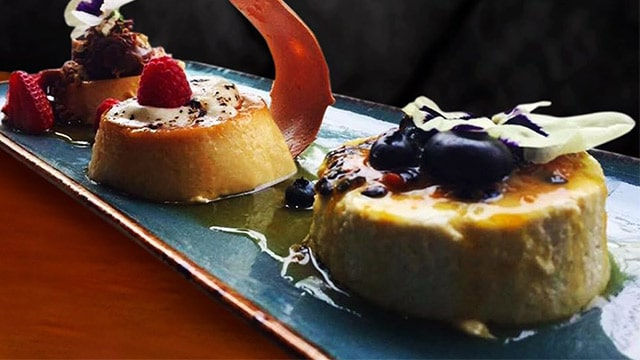
Flan is a baked custard made by combining eggs and milk, usually with sugar and vanilla. The mixture cooks in a caramel-lined mold and is chilled before it is turned onto a plate. Once unmolded, the caramel becomes its sauce.
The eggs provide structure. As they heat, their proteins form a delicate network that holds the liquid. Gentle cooking keeps that network soft; excessive heat tightens it and can make the custard grainy or full of holes.
Well-made flan should hold its shape while retaining a slight wobble. It is firmer than a pouring custard but softer and silkier than cake.
Where is flan from?
Egg-and-milk custards have ancient precedents. The Roman recipe collection known as Apicius describes tyropatinam, a mixture of milk, eggs and honey cooked slowly and finished with pepper. It resembles the basic logic of custard, but it was not the caramel flan served today.
European cooks continued to make sweet and savory custards over many centuries. The caramel-topped form developed later and traveled to the Americas through Iberian culinary traditions. In Latin America, local preferences and ingredients produced a wide range of flans.
Flan therefore does not have one simple birthplace story. Its history is better understood as the evolution of a technique: combine dairy and eggs, cook them gently, then adapt sweetness, aromatics and texture to a particular culture.
What is Mexican flan?
Mexican flan often refers to a rich caramel custard flavored with vanilla. Many contemporary recipes use condensed milk and evaporated milk, and some add cream cheese for extra body. That combination can create a denser, creamier result than a basic custard made with fresh milk.
Flan napolitano is one of the most searched Mexican styles. Despite the name, there is no single mandatory formula. Some versions rely on cream cheese; others focus on the blend of canned milks. What unites them is a creamy set, caramel topping and a careful water-bath bake.
Mexican cooks have also developed related desserts such as chocoflan, often called impossible cake, which layers chocolate cake and flan in the same mold.
What are flan ingredients?
The essential roles are more useful than a rigid recipe:
Eggs: Set the custard and determine how firmly it holds.
Milk: Creates the base flavor and texture. Fresh, condensed and evaporated milk produce different results.
Sugar: Sweetens the custard and forms the caramel.
Vanilla: Adds aroma without overpowering the dairy.
Optional additions: Cream cheese, citrus zest, coconut, coffee or spirits can define a regional or personal version.
Caramel is prepared separately by melting sugar until amber, then coating the mold before the custard is added. Its slight bitterness is important because it balances the sweetness of the dairy mixture.
How does flan become smooth and creamy?
Technique controls the final texture:
Mix without whipping in too much air.
Pour the custard through a strainer if a very smooth finish is desired.
Place the mold in a water bath so the heat reaches it gradually.
Remove it while the center still moves slightly.
Chill it thoroughly before unmolding.
Small bubbles do not make flan unsafe, but they often signal high heat or extended baking. A smooth custard comes from moderation rather than speed.
Flan across Latin America and beyond
Several regional desserts show how widely the method has traveled:
Venezuelan quesillo: Often has a more porous texture and a pronounced caramel flavor.
Brazilian pudim: Commonly features condensed milk and a generous caramel sauce.
Cuban flan: Frequently uses condensed and evaporated milk for richness.
Filipino leche flan: Uses many egg yolks, producing a deep color and concentrated texture.
Cheese flan: Adds cream cheese or another mild cheese for body and tang.
These are not mistakes or lesser copies. Each is a local answer to the same culinary problem: how to turn eggs, dairy and sweetness into a custard that can be sliced and shared.
How is flan served?
Flan needs time to chill before it can be released cleanly. A thin knife is passed around the edge, a plate is placed over the mold and the dessert is inverted in one confident motion. The caramel flows down the sides.
It can stand on its own or be paired with fresh fruit, coffee or a drink with toasted notes. The best accompaniments preserve the contrast between cool custard and bittersweet caramel.
Rosa Negra explores Latin American cooking through dishes and desserts that may vary by destination. Review the current Rosa Negra menu before your visit.
Ready to discover the sweet finish to the experience? Request a reservation at Rosa Negra Mexico and confirm the desserts available at your preferred location.


