

Mexican cactus benefits: what nopal is and how it is eaten
Updated: Jul 13
Few ingredients are as closely tied to Mexico as nopal. The tender cactus paddle appears in home cooking, street food and contemporary restaurant menus, where its fresh, slightly tangy character works especially well with fire, corn, chiles and vegetables.
What is Mexican edible cactus?
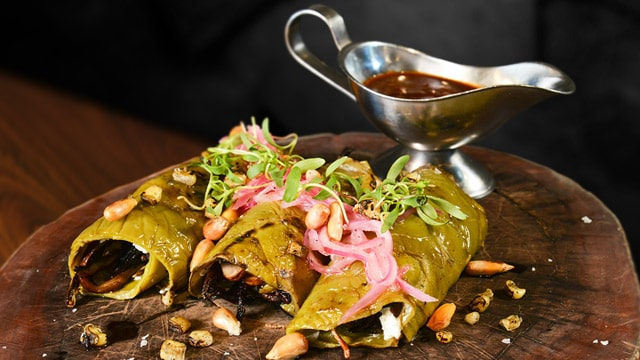
Nopal is the flat, fleshy stem of several Opuntia species. The young paddles are eaten as a vegetable and are commonly called nopales. The fruit of the plant is prickly pear, or tuna in Spanish. Paddle and fruit are different foods with different textures, uses and nutritional profiles.
The Spanish word nopal comes from the Nahuatl nopalli. Its culinary history predates the Spanish conquest, and it remains a living ingredient rather than a museum piece.
What does nopal provide?
Fresh cactus paddles contain a large amount of water and dietary fiber, along with modest amounts of vitamins and minerals. Exact values depend on species, portion size and preparation. That makes nopal useful as part of a varied diet, but not a miracle food.
Dietary fiber that can contribute to fullness and a balanced eating pattern.
High moisture content and a light, vegetal profile.
Variable amounts of vitamin C, calcium and other micronutrients.
A versatile texture that works grilled, cooked, raw or incorporated into other dishes.
Mexican cactus benefits: what the evidence says
Researchers have studied whether cactus paddles can affect post-meal blood glucose. A systematic review of human trials found promising results for some cladode preparations, while also noting major differences in products, doses and study populations. The evidence does not support using nopal as a replacement for medical treatment.
In practical terms, nopal can be a smart culinary choice because of its fiber and versatility. It should not be presented as a cure for diabetes, high cholesterol, cancer or any other disease. People managing a health condition should follow guidance from a qualified clinician.
Is raw cactus better than cooked cactus?
Neither form is automatically better. Raw nopal is firmer and more vegetal. Cooking or grilling softens the paddle, reduces some of its mucilage and adds a rounded or smoky flavor. Claims that eating nopal on an empty stomach creates special benefits are not well established.
How nopal is eaten in Mexico
Grilled over charcoal for a light smoky note.
Tossed into salads with tomato, onion, herbs and cheese.
Folded into tacos, tostadas and slow-cooked dishes.
Used as a vegetable base in modern preparations.
Rosa Negra's current menu places Mexican ingredients within a broader Latin American experience. Dishes and availability may vary by location, so check the Rosa Negra menu before your visit.
A Mexican ingredient that keeps evolving
Nopal does not need exaggerated claims to be compelling. Its story, texture and adaptability have kept it relevant for centuries, and thoughtful cooking continues to reveal new sides of this familiar cactus.
Explore the menu and choose your Rosa Negra location in Cancun, Tulum, Mexico City or Los Cabos.


