

Are Churros Mexican? Origin, Ingredients and Traditions
Updated: Jul 28
Churros feel at home in Mexico. They are sold at churrerías and fairs, passed across café tables and served after dinner with cinnamon sugar, cajeta or chocolate. That familiarity leads to a common question from travelers and food lovers: are churros Mexican?
The short answer is nuanced. Churros did not begin in pre-Hispanic Mexico, but Mexico adopted the preparation, gave it distinctive flavors and turned it into an enduring part of everyday food culture. Their earlier history is less certain than many neat origin stories suggest.
Where are churros from?
One widely repeated account connects churros to youtiao, a Chinese fried dough. Mexico's Secretariat of Agriculture describes a possible route in which Portuguese traders encountered that preparation and brought the idea to the Iberian Peninsula, where sugar and the familiar ridged shape were added.
Other food historians point to the broader Mediterranean tradition of fried dough. A study in Mexico's National Institute of Anthropology and History repository lists churros among recipes brought from Spain, alongside sweets with Arab, Jewish and Moorish influences.
These accounts are best treated as historical paths, not a settled verdict. Fried dough appears in many cuisines. The recognizable Spanish and Portuguese traditions traveled to the Americas, and local versions developed from there.
So, are churros Mexican or Spanish?
The method that reached Mexico came through Spain, but food identity is not determined only by a first point on a map. Once a dish enters a new culture, ingredients, habits and occasions reshape it.
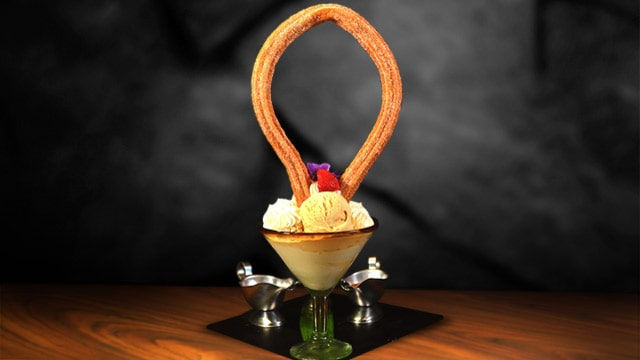
Mexican churros are commonly rolled in cinnamon sugar and may be filled with cajeta, chocolate or dulce de leche. They are enjoyed with hot chocolate or coffee and appear in formats ranging from long, crisp sticks to loops, bites and plated desserts.
Calling them Mexican churros describes that evolution. It does not deny their Iberian connection; it recognizes that Mexico made the dish part of its own culinary language.
What are churros made of?
Traditional churros begin with a simple dough of water, flour and salt. Some versions add butter, sugar or eggs, which changes the richness and interior texture. The dough is pushed through a churrera or a piping tip shaped like a star, then fried until golden.
The ridges do more than create the signature look. They increase the surface area exposed to the oil, helping the outside become crisp while the center remains tender. Freshly fried churros are drained and coated while warm, usually in sugar or cinnamon sugar.
Oil temperature is one of the most important variables. Oil that is too cool can make the dough absorb excess fat. Oil that is too hot may brown the outside before the center is ready. Good churros depend on controlled frying as much as on the ingredient list.
What makes Mexican churros different?
There is no single official Mexican churro, but several features appear often:
Cinnamon sugar: A warm, aromatic finish that has become closely associated with Mexican versions.
Cajeta: Goat's-milk caramel adds a deeper toasted sweetness than plain sugar.
Chocolate: It can be a filling, dipping sauce or hot drink served alongside the churros.
Filled centers: Thicker churros may hold cajeta, chocolate or dulce de leche.
Creative plating: Restaurants may pair churros with ice cream, fruit sauces or contrasting textures.
These additions work best when they preserve the basic contrast between a crisp shell and a soft center.
Churros, porras and other fried doughs
In Spain, porras are generally thicker and airier than standard churros. Portuguese farturas and Latin American filled churros belong to the same broad family of extruded fried dough, but their shape and texture differ.
That family resemblance helps explain why origin debates become complicated. Similar techniques can travel, combine and change. The more useful question is often not who owns the first version, but what each place contributed.
What should you drink with churros?
Hot chocolate is the classic partner because its slight bitterness can balance the fried dough and sugar. Coffee offers a cleaner contrast, while ice cream introduces temperature and creaminess. With filled churros, a less sweet drink can keep the dessert from feeling heavy.
Rosa Negra celebrates Latin American cooking through dishes and desserts that can vary by destination. Check the current Rosa Negra menu before your visit.
Planning a night out in Mexico? Request a reservation at Rosa Negra and confirm the dessert selection at your preferred location.


